Japanese crafts — 31 traditions in iron, glass, clay and cloth.
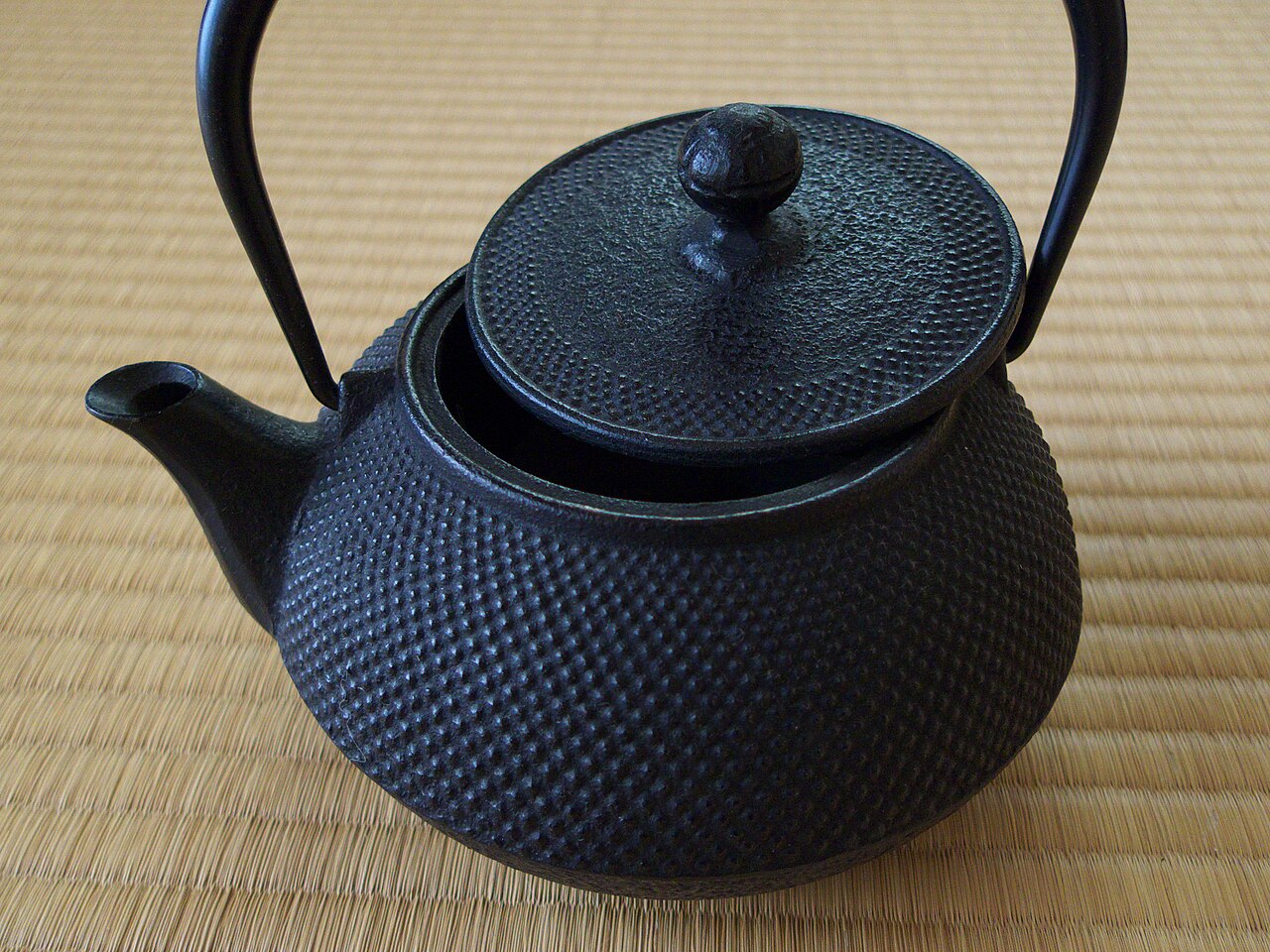
A Nanbu iron kettle, a faceted Edo kiriko glass, a rough Bizen jar: Japan’s regional crafts are how the country’s materials learned manners. This collection introduces 31 traditions — kilns, looms, forges and workshops from Iwate to Okinawa — so you can learn what each craft is made of, where it comes from, and how to recognise it when you meet it in a shop or a museum.
The full collection holds 31 craft records, built from Wikidata (CC0) structured data and checked on 20 November 2026 for this guide.
Photo: Nambu_Tetsubin.jpg · Wikimedia Commons · CC BY-SA 3.0. Source
Three reasons to go
Iron and glass: the hard crafts
Nanbu ironware from Iwate — the tetsubin kettle above — is cast to be used daily for generations, while Edo kiriko cuts glass into glittering geometry in Tokyo; two opposite answers to the question of what skill looks like.
The great kilns
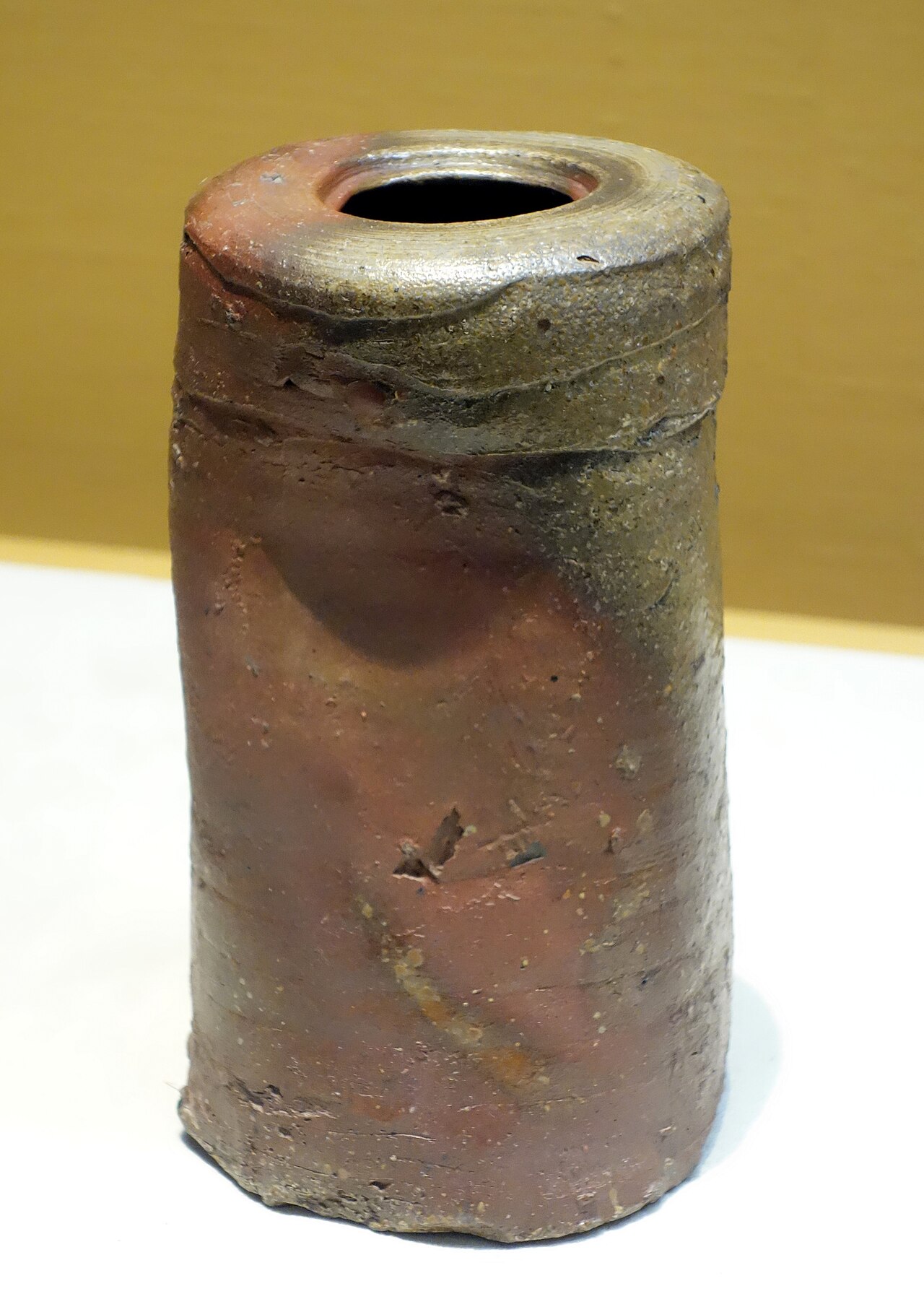
Bizen’s unglazed, wood-fired stoneware (the pillow-shaped vase above is 17th-century Bizen), Hagi’s soft, tea-loved clay, Satsuma, Shigaraki, Mashiko, Karatsu and more — the pottery traditions that still anchor Japan’s tableware.
Cloth, bark and marquetry
Echigo-jofu ramie cloth from the snow country, Hakata-ori silk weaving, yosegi wooden marquetry from Hakone and Kabazaiku cherry-bark work from Akita round out the set — proof the crafts are as much about fibre and wood as clay and iron.
Photo: Flower Vase called ‘Tabimakura’ (Portable pillow), Bizen ware · Tokyo National Museum · CC0. Source
Craft records summarise each tradition’s identity from structured data; individual makers, workshops and products change over time, so for buying or visiting a workshop, follow the craft’s regional association from the record pages. Photographs show representative pieces — the Bizen vase is a museum piece, not a product for sale.