The Yamanote loop, station by station
Tokyo, Shinjuku, Ikebukuro, Ueno, Shimbashi, Shinagawa, Shibuya and Akihabara — the loop’s great stations each have their own page, so you can learn the circle that organises every Tokyo journey.
RAIL / EXPLORE
Rail is how Japan moves, and this collection treats stations as destinations in their own right. Every one of the 1,821 station pages gives you the station’s lines and place in the network, and the five line guides tie the busiest Tokyo routes together — start with the Yamanote loop and you hold the map of central Tokyo in your head.
The full collection holds 1,821 station pages and 5 line pages, built from the MLIT railway dataset N02-2025 (reference date 31 December 2025) and checked on 20 November 2026 for this guide.
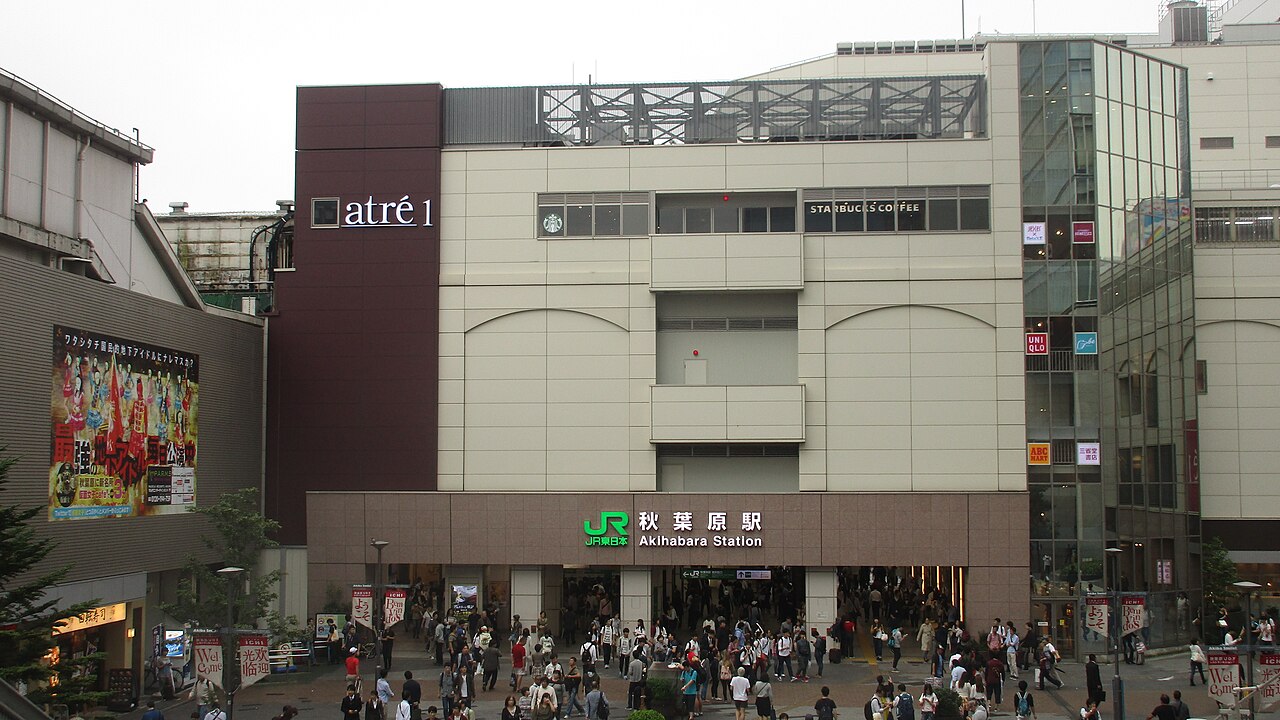
Tokyo, Shinjuku, Ikebukuro, Ueno, Shimbashi, Shinagawa, Shibuya and Akihabara — the loop’s great stations each have their own page, so you can learn the circle that organises every Tokyo journey.
The Sobu and Keiyo lines run east toward Chiba, the Tokaido line heads south-west, and the Tohoku Shinkansen leaves for the north — the line guides show what each route is for and which stations anchor it.
Station pages reach far past the capital — Abashiri on Hokkaido’s Okhotsk coast is in the same index — making the collection a planning companion for rail trips across Japan, not only inside it.
Station and line pages are built from the national MLIT dataset, which describes the network as surveyed — they are a reference for learning the system, not a timetable. For departure times and fares on the day, use the operator’s own journey planner.