Two dates tell the story
First flowering is the opening; full bloom (mankai) is the peak, usually days later. The collection calculates the interval for every station, turning two dry dates into the shape of each city’s spring.
SEASONS / JAPAN
Every spring Japan watches the cherry front move north, and the Japan Meteorological Agency records it station by station. This collection lines up the official 2026 observations — first flowering and full bloom at 56 stations, 304 dated observations in all — so you can see how the season unfolded, how long each city’s blossom took to peak, and how the timing shifts from Okinawa to Hokkaido.
The full collection holds 304 observations — first flowering and full bloom for 56 stations — from Japan Meteorological Agency tables for the 2026 season, checked on 20 November 2026 for this guide.
First flowering is the opening; full bloom (mankai) is the peak, usually days later. The collection calculates the interval for every station, turning two dry dates into the shape of each city’s spring.
In 2026 the observations run from the subtropical south — Naha, Miyako and Ishigaki — to Wakkanai at Hokkaido’s northern tip: one species, one country, weeks of difference.
Every date is a JMA station observation of a sample tree, recorded in the agency’s published tables — the same record Japanese forecasts are judged against each year.
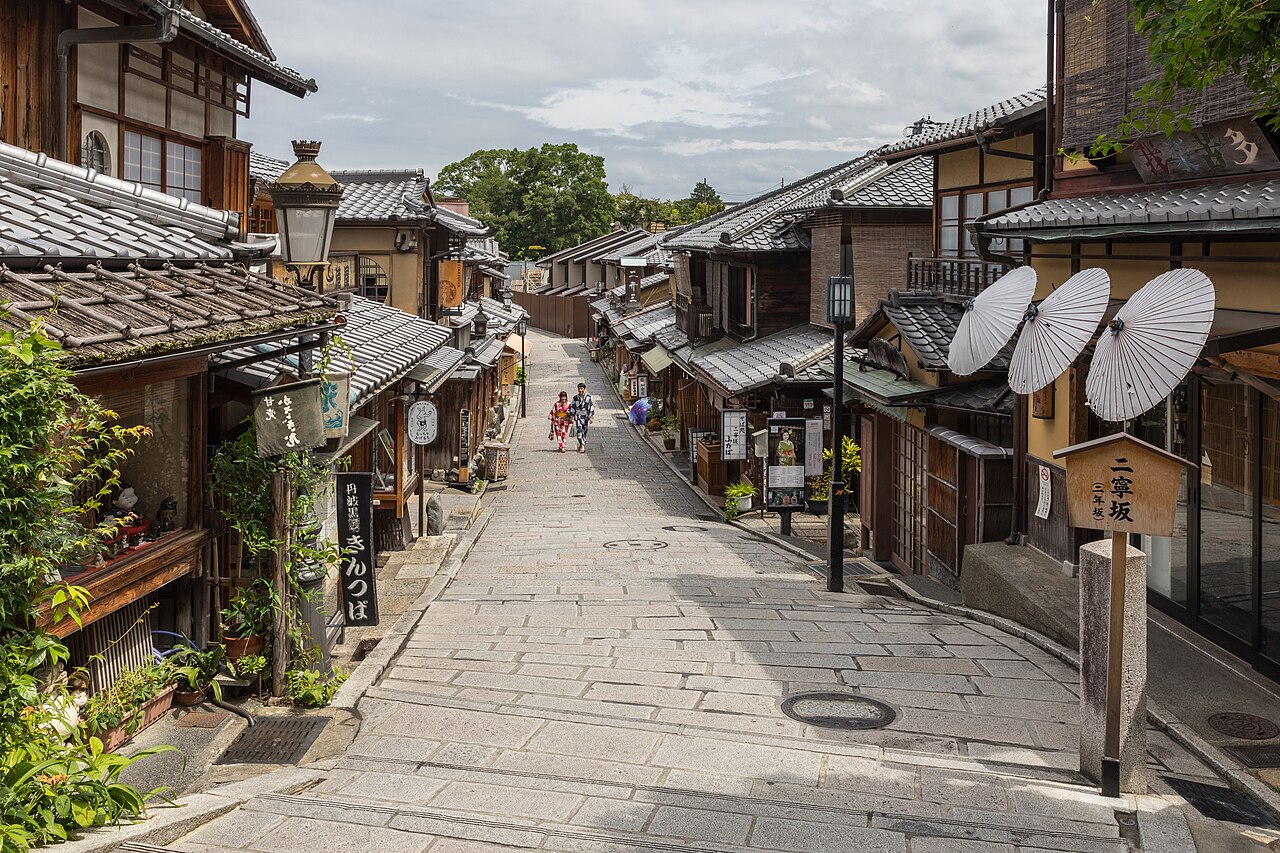
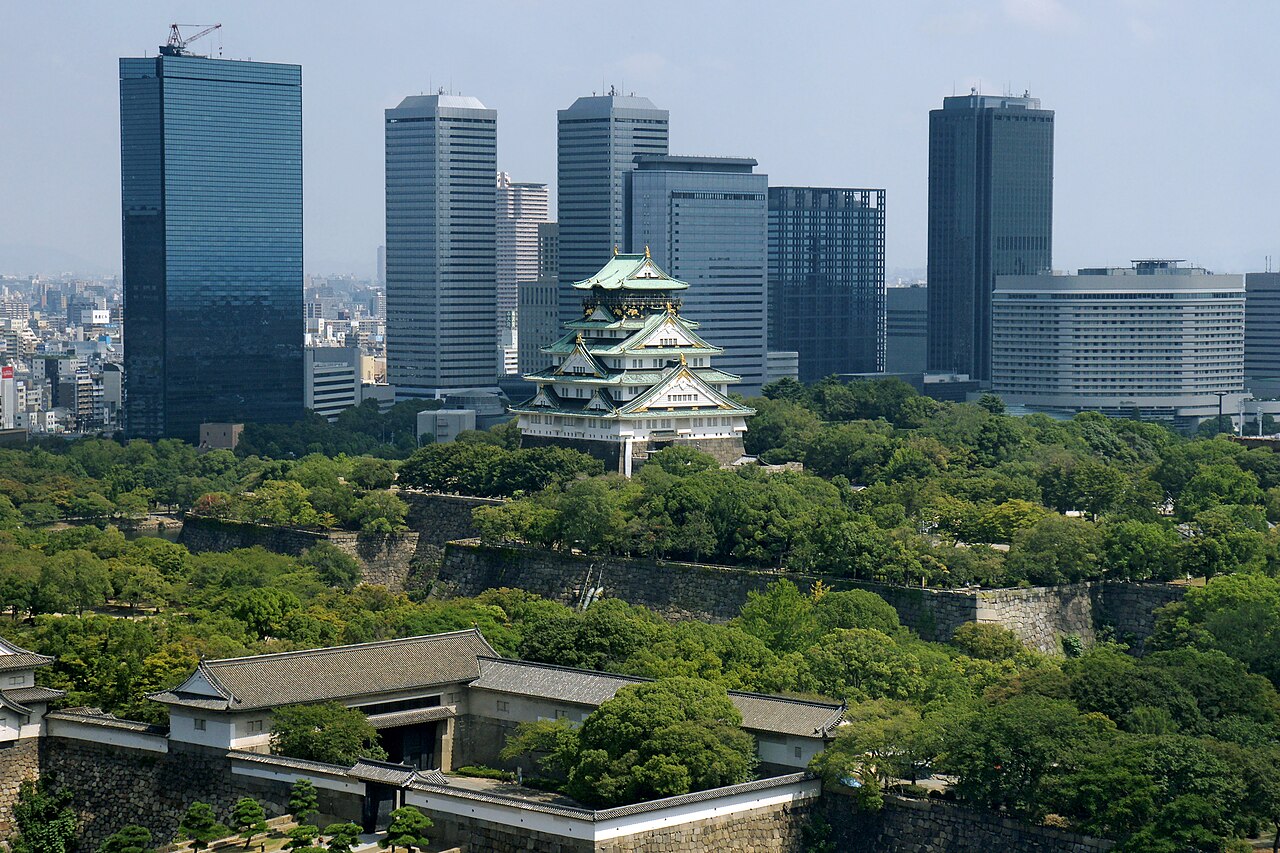
Dates describe the JMA’s sample tree at each station in 2026 — a park across town can differ by days, and next spring will differ again. Use the collection to understand the pattern and plan roughly; for a specific trip, follow the current season’s official forecasts. Photographs show two of the observation cities, Osaka and Kyoto, in other seasons.