Touring craft country — where Japan’s iron, clay and glass are made.
Most souvenirs are bought far from where they were made. This guide takes the opposite route: it tours the production areas themselves. The crafts collection holds 23 traditions, and every one is tied to a place of creation — a cast-iron town in the north, kiln towns in the west and near Tokyo, a cut-glass tradition in the capital itself. Read the tradition first, then go and stand where it is made.
The crafts collection holds 23 traditions, each recorded with its place of creation — checked on 17 November 2026. Its museum counterparts live in the 10,000-record museum objects collection.
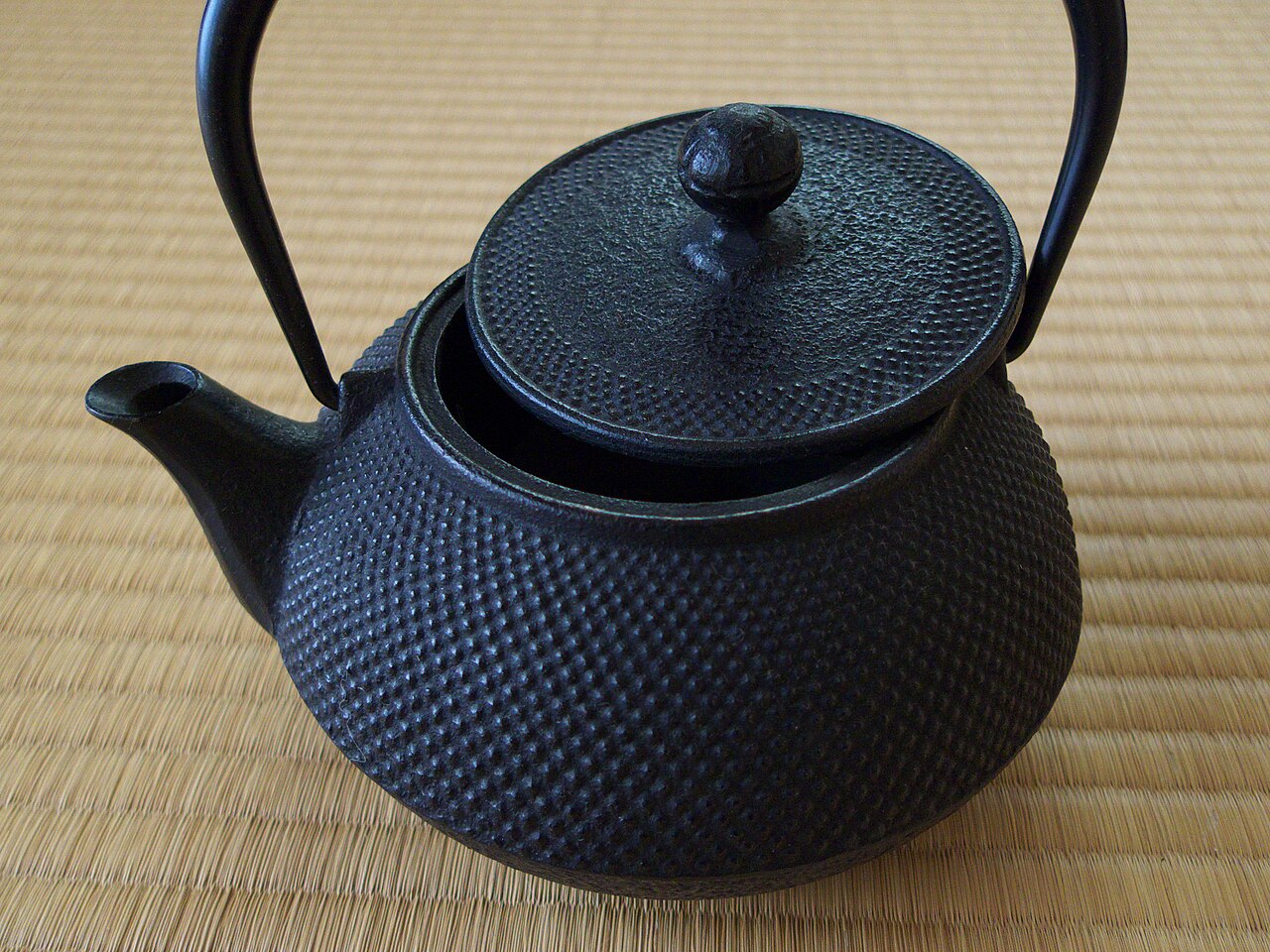
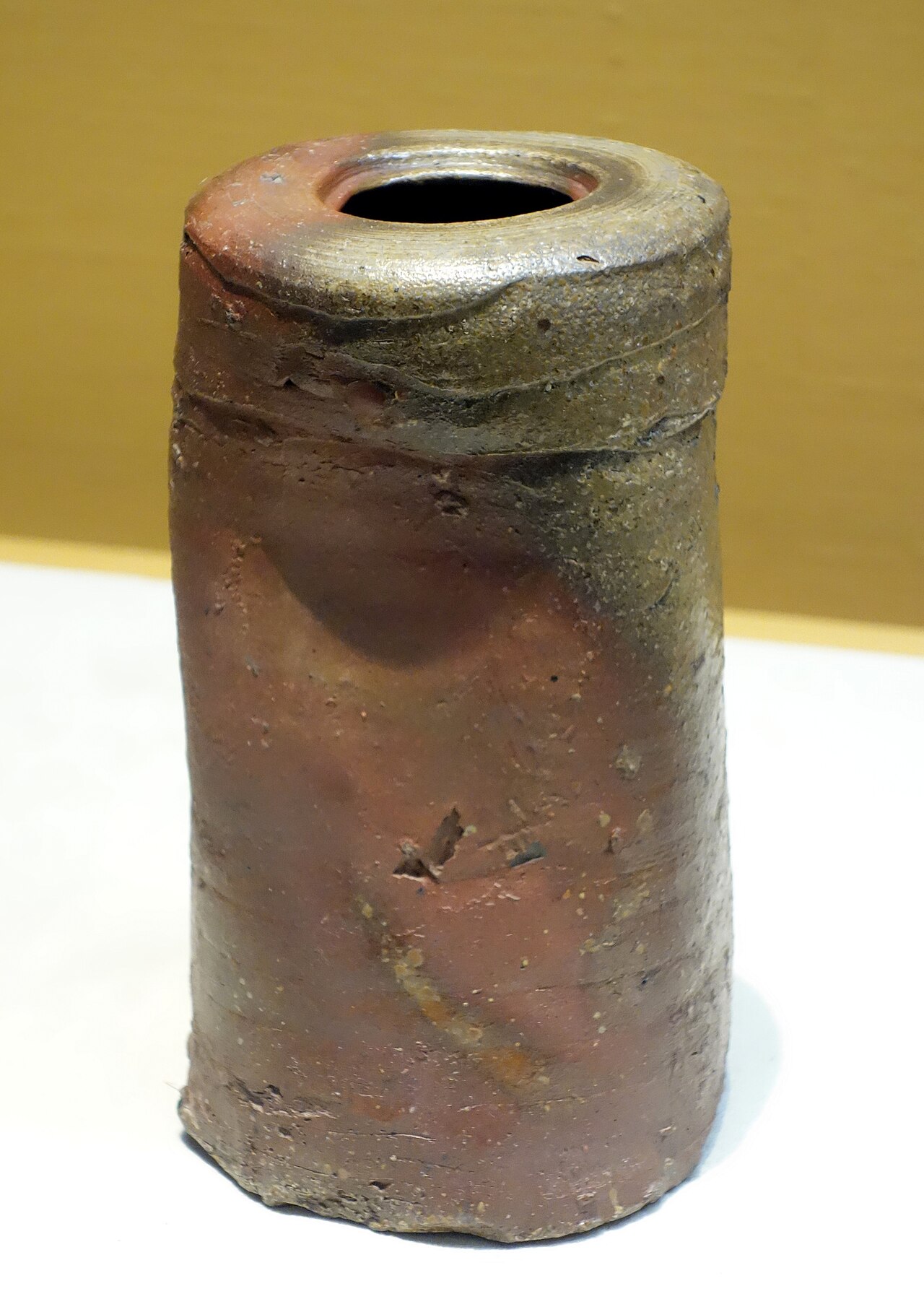
Photo: Nambu Tetsubin.jpg · Wikimedia Commons · CC BY-SA 3.0. SourcePhoto: Flower Vase called ‘Tabimakura’, Bizen ware, Edo period, Tokyo National Museum · CC0. Source
Three production areas to build a trip around
Morioka, Iwate: iron country
Nanbu ironware — the heavy black tetsubin teapot in the photograph — comes from Morioka in the north. The city pairs foundries with a hands-on craft square (it appears in the places collection), so you can watch casting culture and then handle the work in the same visit.
Bizen, Okayama: the kiln town
Bizen ware is Japan’s great unglazed stoneware: wood-fired, earth-toned, and made in a town in Okayama built around its kilns. The vase above, now in the Tokyo National Museum, is the museum end of the story; Bizen city is where the story is still being fired.
Mashiko, Tochigi: folk pottery near Tokyo
Mashiko turned itself into a byword for folk pottery — sturdy, everyday ware from a small Tochigi town that is the closest kiln country to the capital. Pair it with Kasama ware, its Ibaraki neighbour in the same collection, for a two-town pottery weekend.
Production areas are working towns, not theme parks: workshops keep their own hours, some kilns open only for events, and the best pieces are sold by the makers themselves. The collection records each tradition and its place of creation; check the town or workshop’s own information for opening days before a dedicated trip.