Market mornings — reading Tokyo’s food culture before breakfast.
A Tokyo food day is decided before most people wake: the wholesale markets move the fish and produce that the city will eat, and they leave a paper trail. The market collection preserves that trail as 2,062 dated rows — what seafood arrived, in what quantity, and what produce cost. This guide shows how to read those rows, and how the wholesale hour connects to the breakfast table.
The market collection holds 2,062 wholesale rows — 1,031 seafood quantity rows and 1,031 produce price rows — checked on 17 November 2026.
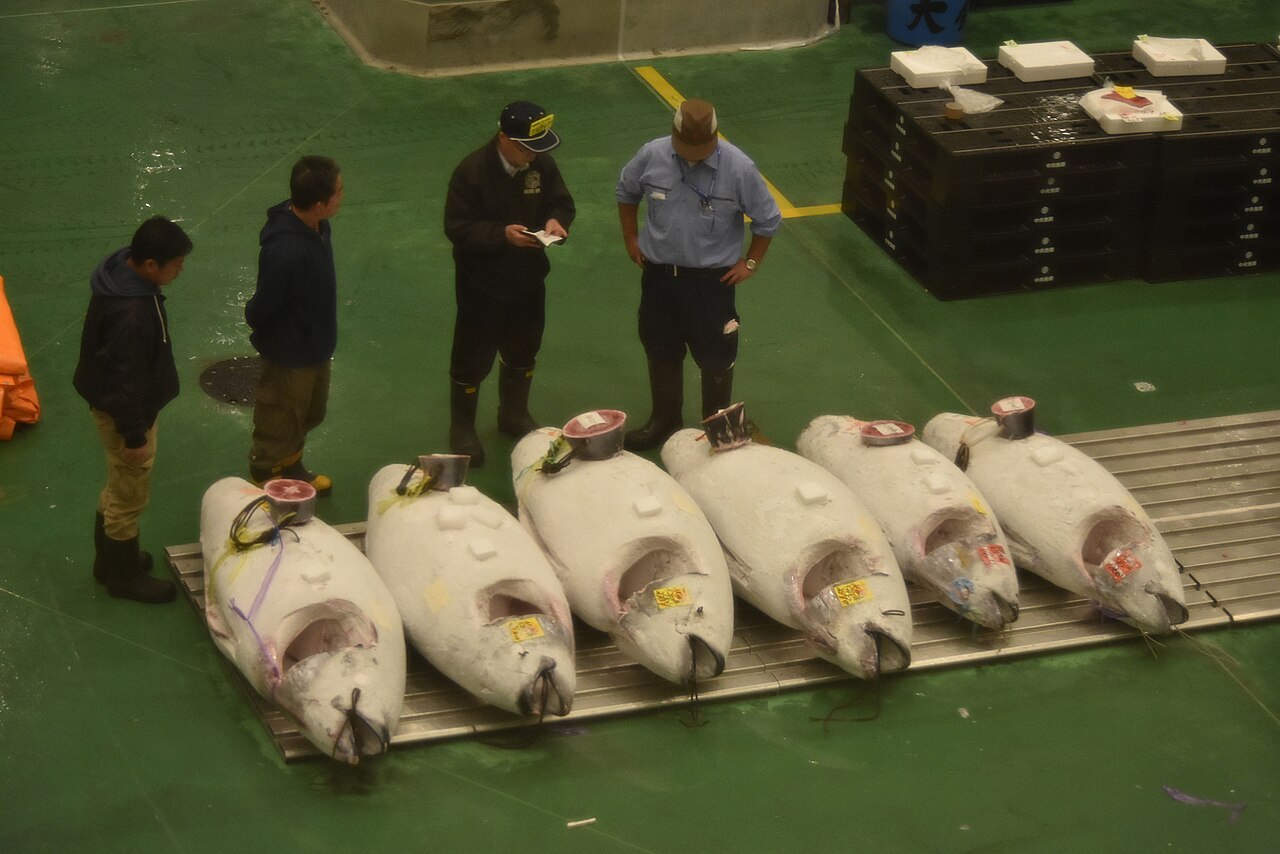
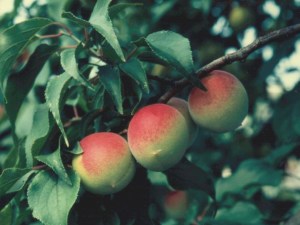
Photo: Toyosu fish market-4b.jpg · Wikimedia Commons · CC BY-SA 4.0. SourcePhoto: Nankoume.jpg · Wikimedia Commons · CC BY 4.0. Source
Three reads on a market morning
The wholesale hour
Wholesale trade happens in the small hours: the seafood rows record, product by product and date by date, what came through the market. Read down a single date and you can see the shape of a morning’s catch — the raw material of every sushi counter in the city.
The produce side: seasons you can price
The price rows tell the seasonal story in numbers. The ume in the photograph is a harvest fruit; its row sits among hundreds of produce prices that rise and fall with the calendar — food culture written as a price list.
From wholesale counter to breakfast table
When the wholesale market moved from Tsukiji to Toyosu in 2018, Tsukiji’s outer market — the lanes of stalls and small restaurants around the old site — stayed put. Read the rows for the wholesale logic, then eat in the outer market for the culture it feeds.
Wholesale floors are workplaces, not attractions: public viewing areas, market holidays and visiting hours change, so check the market’s official information before an early start. Rows record wholesale quantities and prices on their dates — they explain the system, but they are not retail prices and not a forecast of what a given shop will charge.